Al Wadi,
King Abdullah Financial District
A Placemaking Analysis
King Abdullah Financial District
How Public Pixel’s six-step placemaking framework applies to one of Riyadh’s most ambitious urban spaces and what it reveals about the gap between world-class infrastructure and truly felt place identity.
What is KAFD?
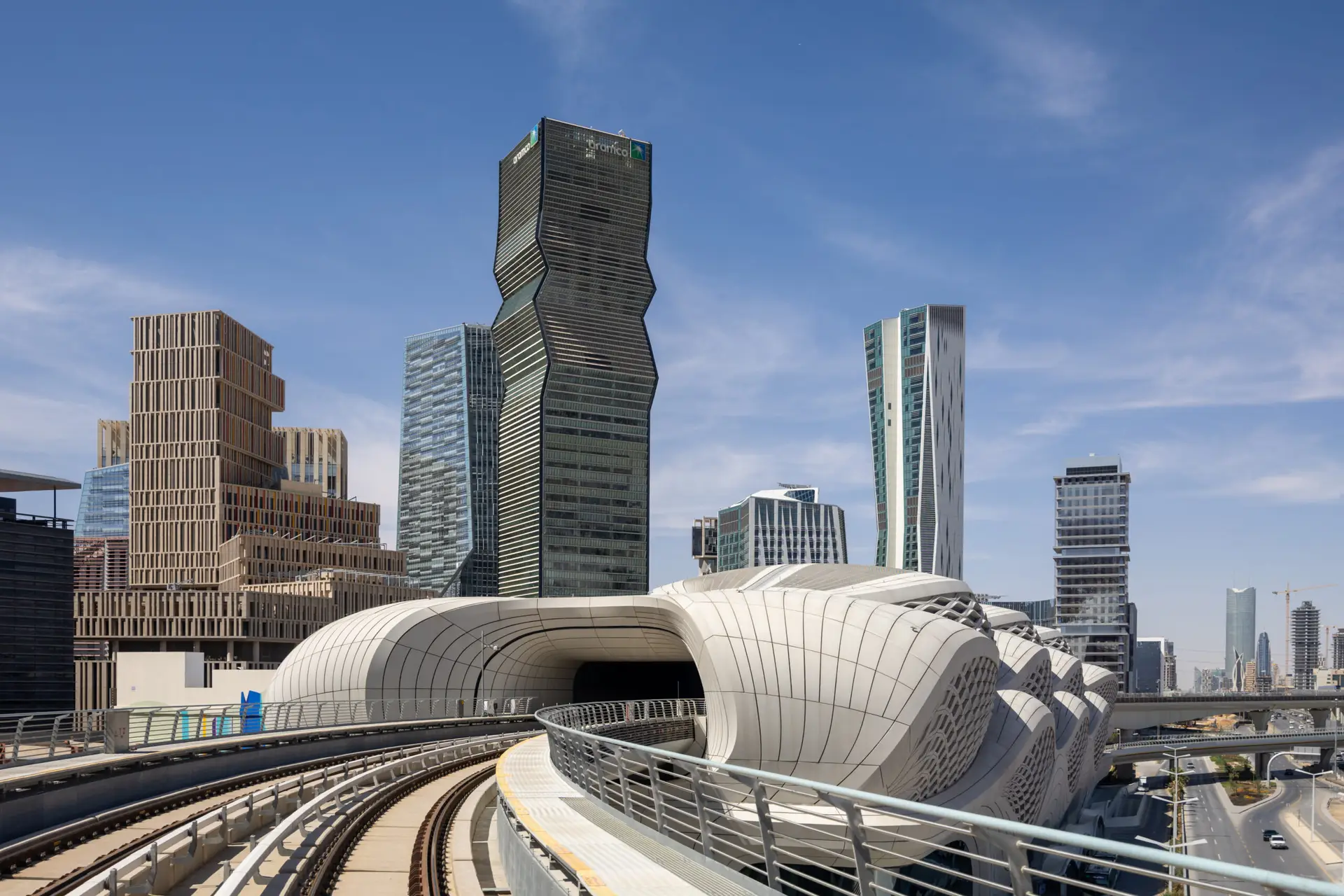
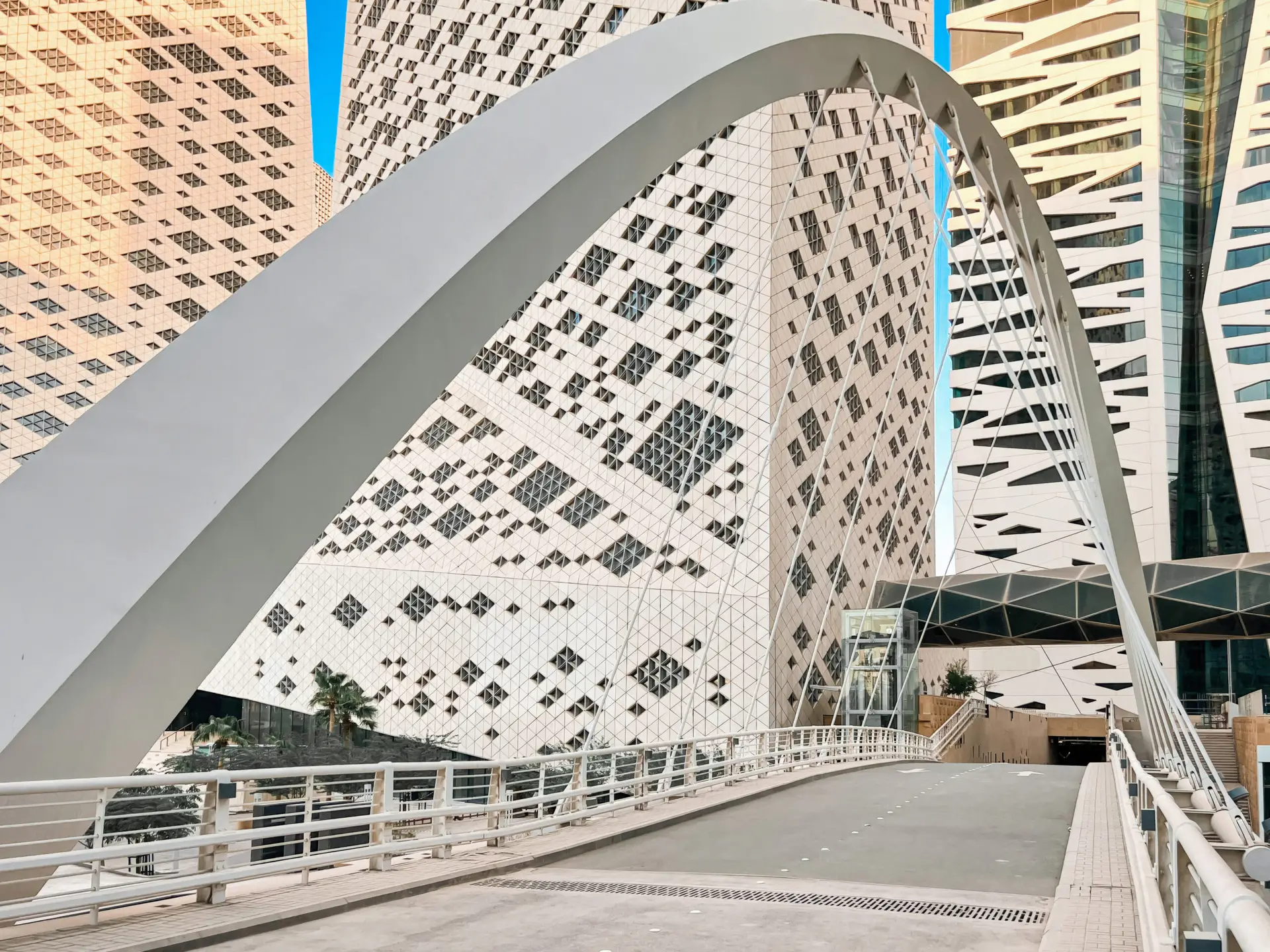
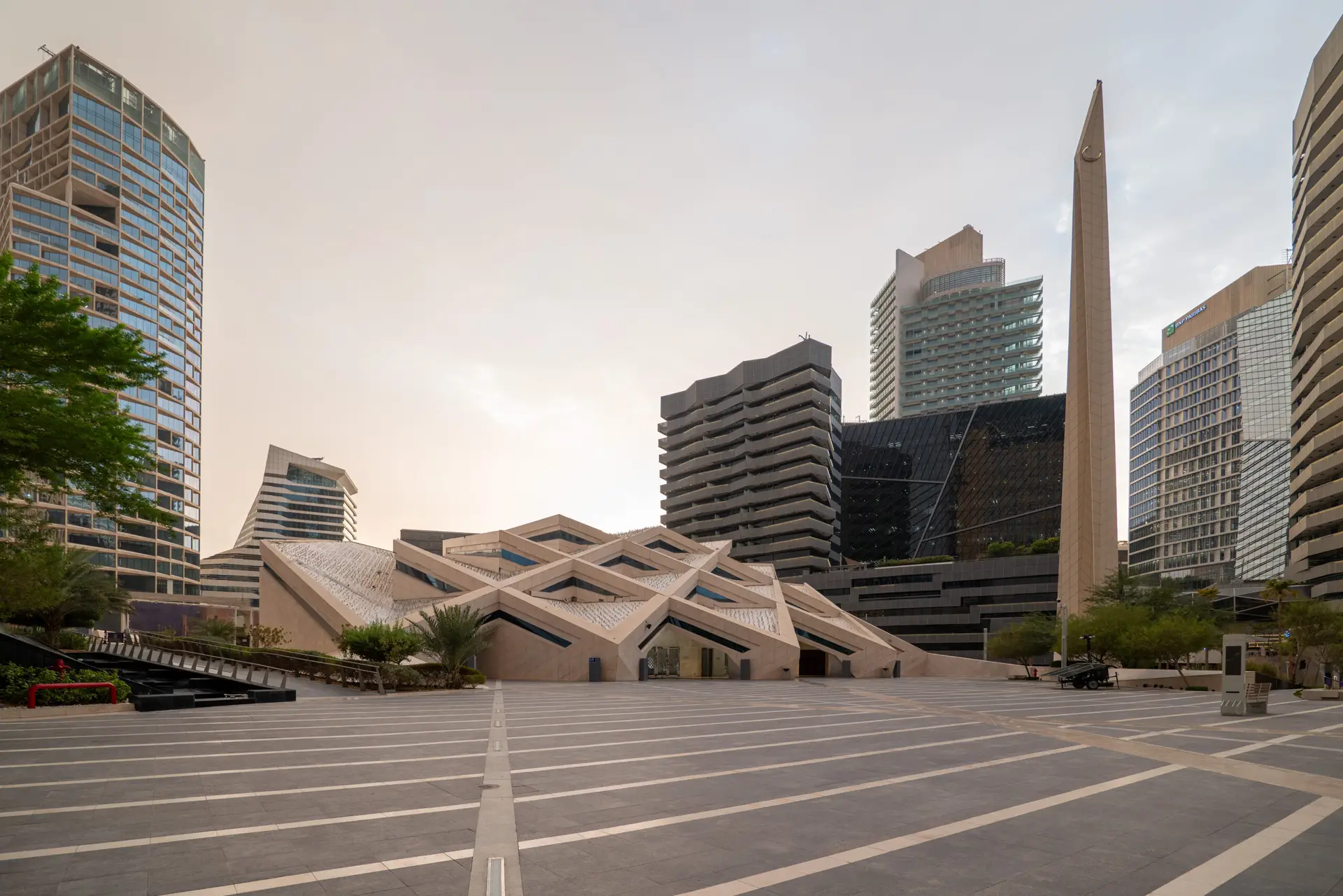
The King Abdullah Financial District (KAFD) is one of the most ambitious urban development projects in Saudi Arabia's history. Located in northern Riyadh, it is a purpose-built financial and commercial hub covering 1.6 million square metres home to 95 towers designed by 25 world-leading architectural firms.
Owned and developed by the Public Investment Fund (PIF), KAFD is designed as a fully integrated, walkable district a city within a city. It holds the distinction of being the world's largest LEED Neighbourhood Development Platinum certified district globally.
What is Al Wadi?
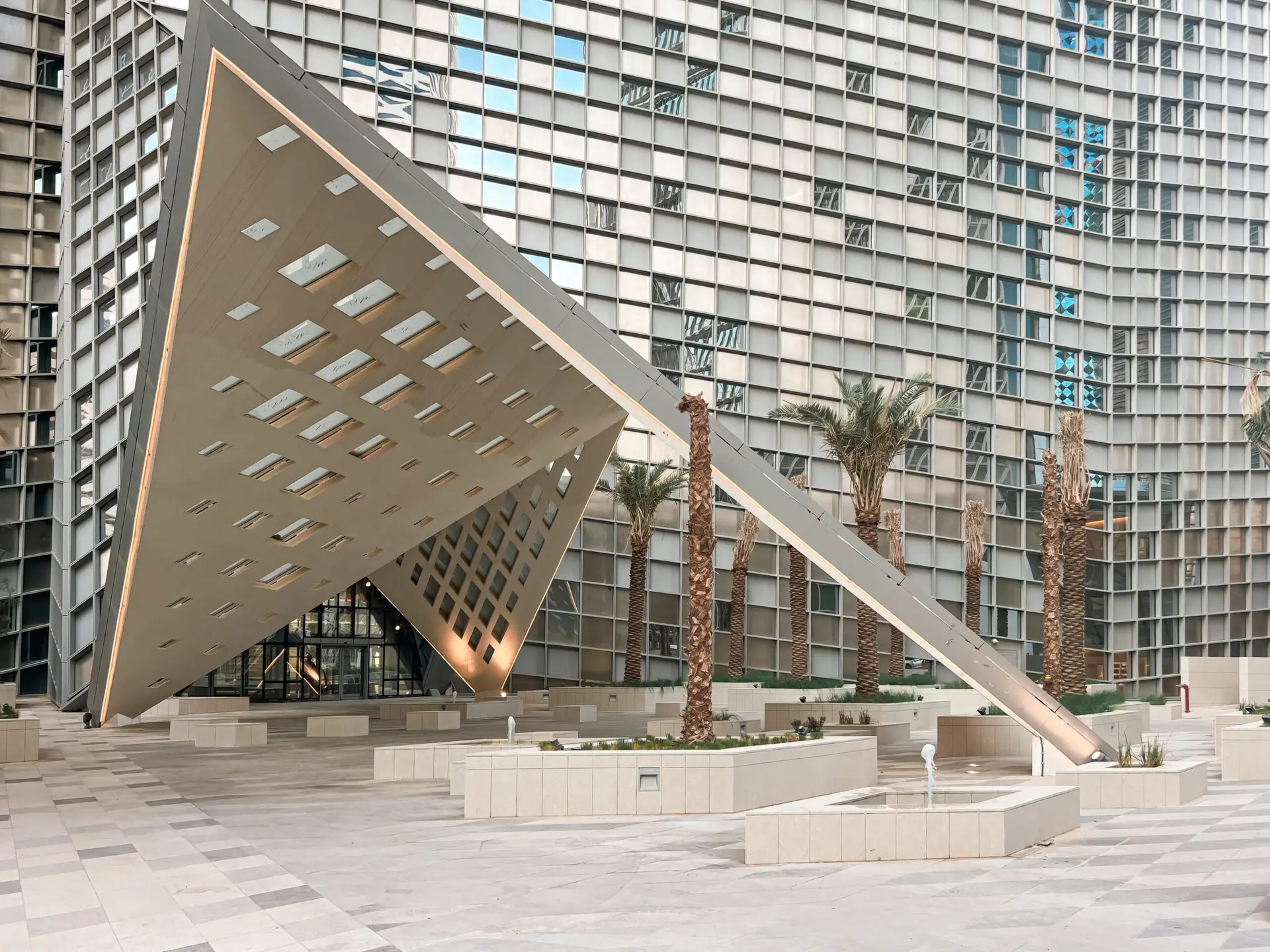
Al Wadi — Arabic for "the valley" is the green pedestrian corridor at the heart of KAFD. Running 5.5 metres below street level, it threads through the entire district as its unifying spine.
At 77,000 square metres, it stays 8–10°C cooler than central Riyadh through natural below-grade climate engineering. It connects to a 15.46 km skywalk network the world's longest continuous climate-controlled pedestrian walkway.
Infrastructure built.
Identity still forming.
Al Wadi is physically remarkable a below-grade green corridor threading through 95 towers, climate-engineered, LEED Platinum certified, and connected to the world's largest continuous pedestrian skywalk network. The question placemaking asks is not what was built, but what is felt.
Who is Al Wadi for,
and what does it say?
Steps 1 and 2 of the Public Pixel framework ask two foundational questions before any spatial decision is made. First: who are the stakeholders and what do they actually need from this place? Second: what identity is the space communicating and is that identity intentional, or accidental?
Al Wadi was designed with a clear spatial vision — a below-grade pedestrian corridor, climate-responsive, connecting all parts of KAFD. What it lacks is a communicated identity. Visitors describe architecture and temperature. Few describe belonging, narrative, or cultural connection. The space is experienced as impressive infrastructure, not as a place with a story.
How people move through
and engage with the space.
Steps 3 and 4 examine what actually happens when a person enters Al Wadi the sequence of moments, the quality of each touchpoint, and whether the activation programming creates reasons to stay, return, and participate.
The visitor journey at Al Wadi currently lacks structured guidance. Entry points are multiple but unmarked. The transition from street level to the Wadi below is a physical experience descending 5.5 meters but there is no narrative framing of what you are entering. Activation exists but is episodic rather than systematic. Places that endure create daily rituals, not seasonal events.
What activation should look like
Six programming categories. Three concrete recommendations each. Grounded in Al Wadi's spatial context and the gaps identified in the analysis above.
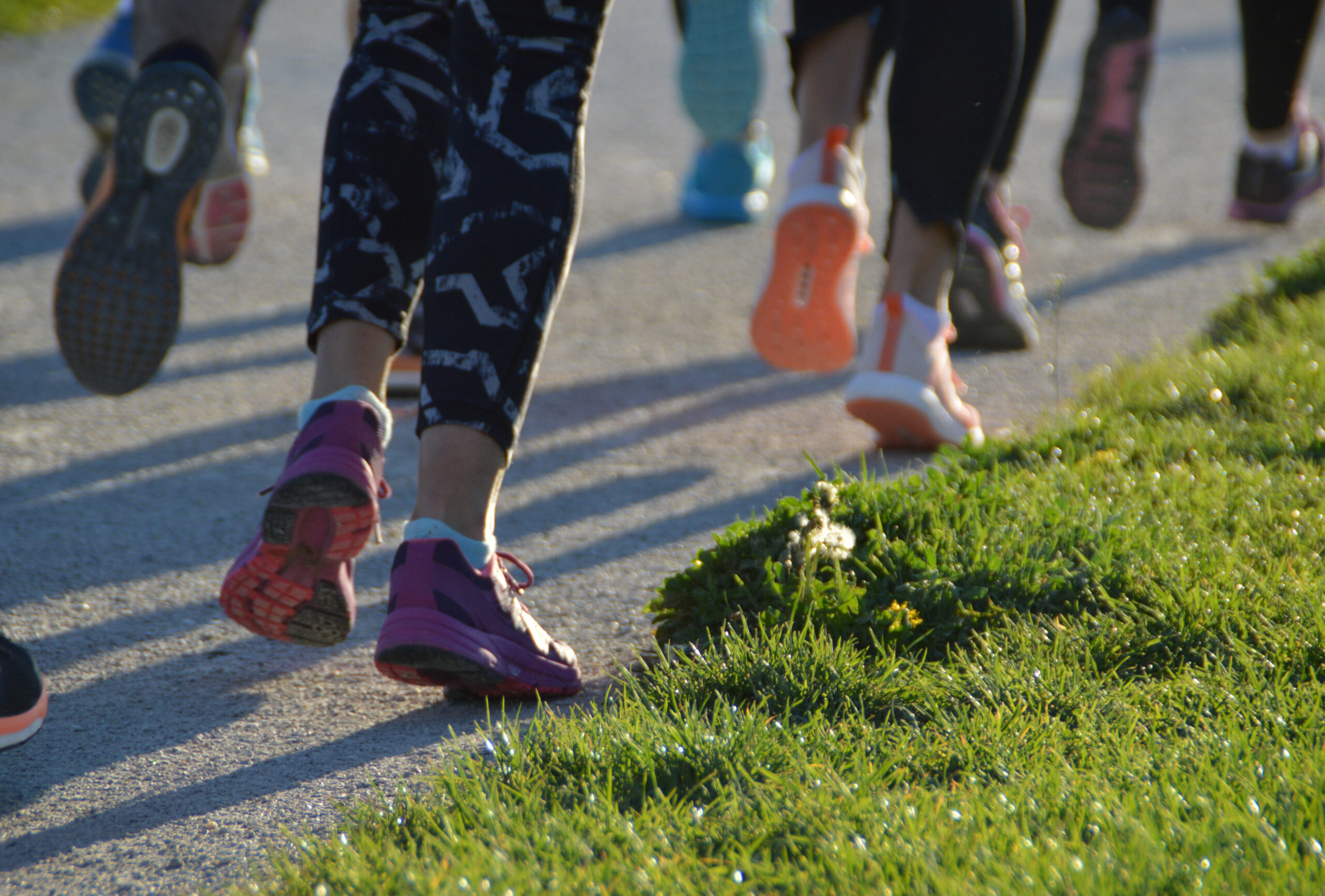
Morning Wellness Trail
A guided 3km wellness loop through the Wadi yoga stations, stretching nodes, and a cool-down fountain at 6–9am daily. Builds morning ritual and increases weekday footfall before business hours.

Lunchtime Live Sessions
Rotating 45-minute live performances oud, jazz, spoken word at a permanent Wadi Stage every weekday 12–1pm. Creates an organic reason for office workers to descend into the Wadi during peak hours.
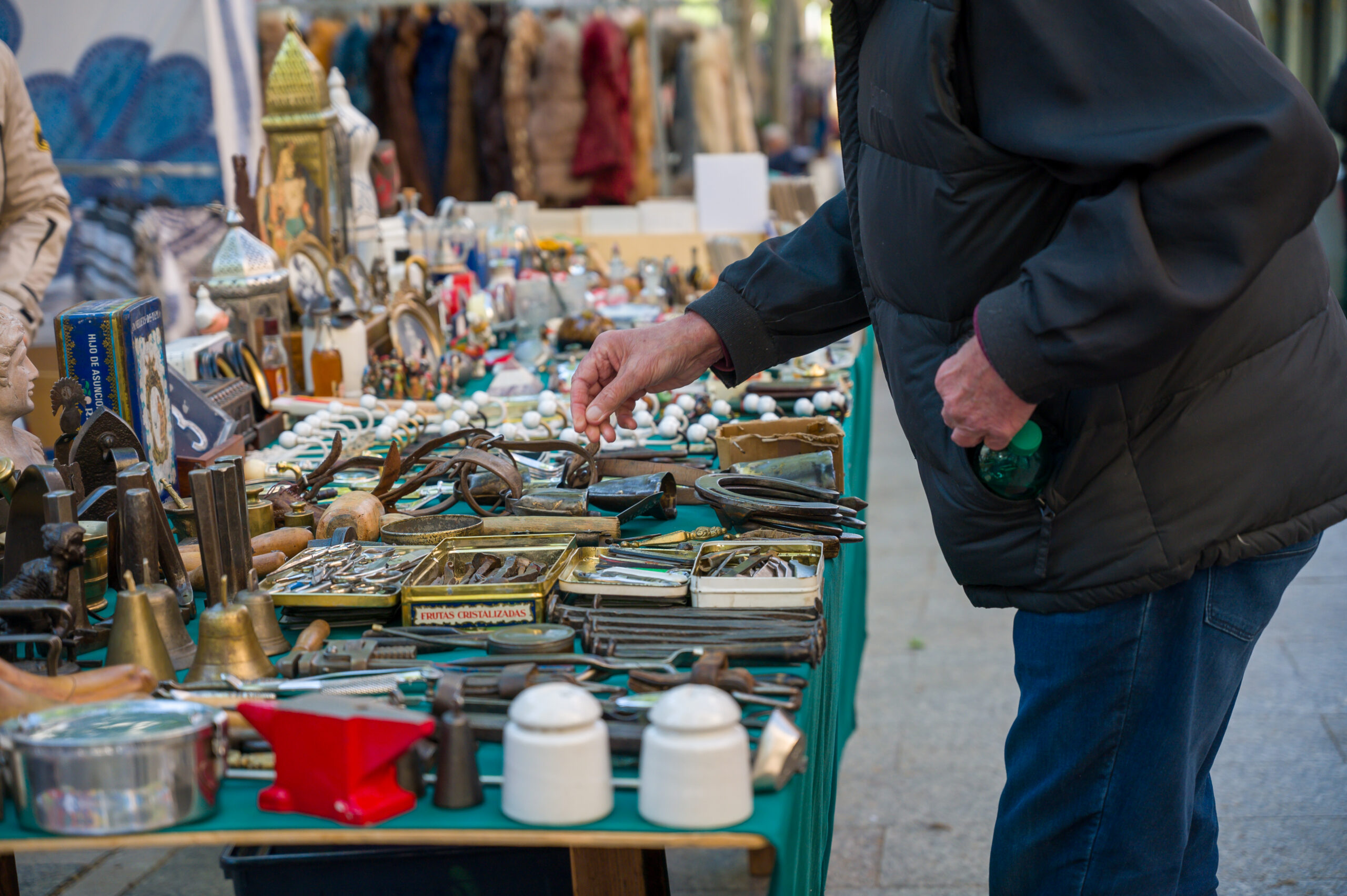
Evening Makers Market
A rotating curated market of 10–15 Saudi artisan vendors operating every evening 5–9pm. Anchors the transition from workday to social evening use and supports small business visibility in the district.
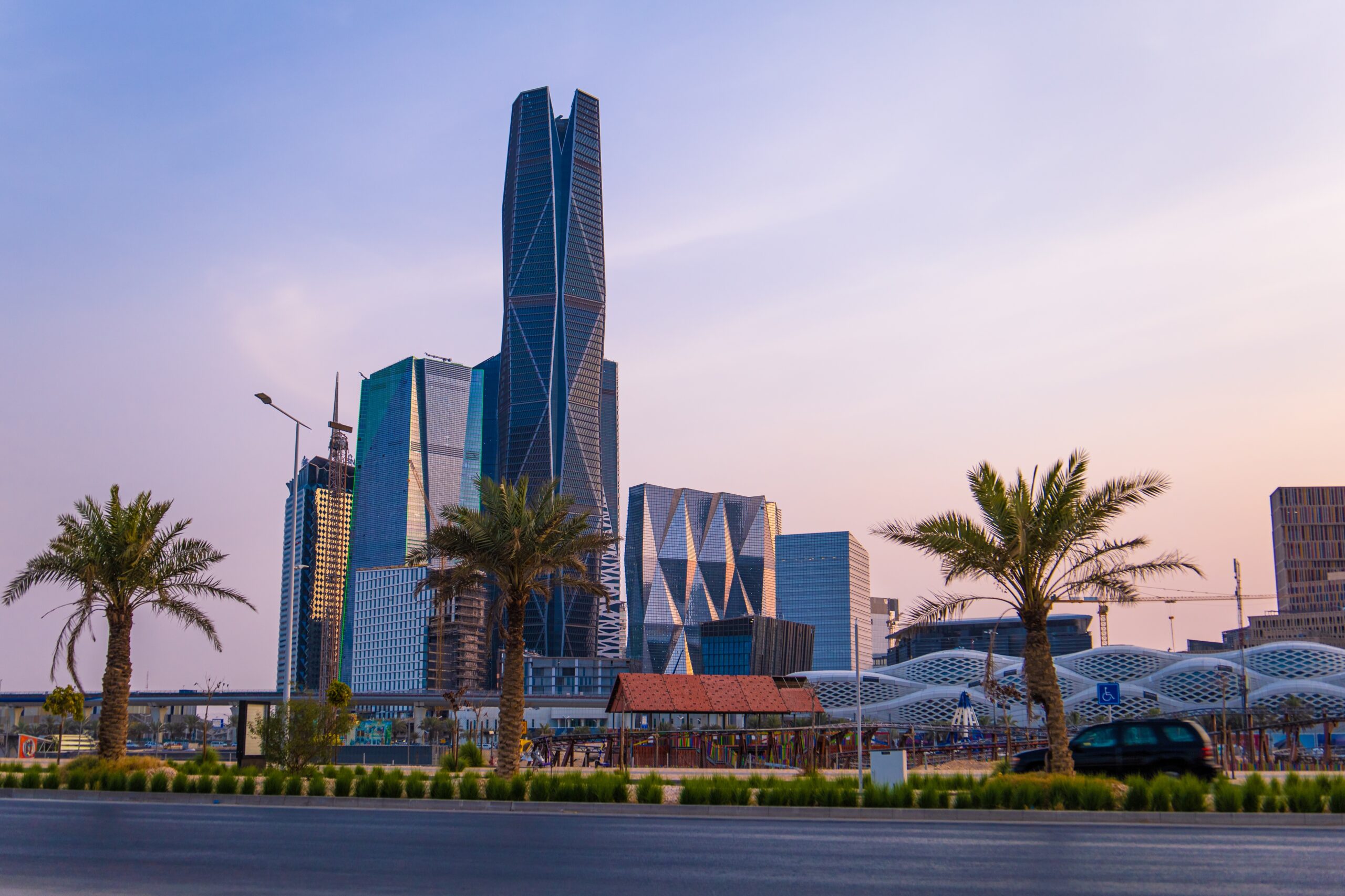
Heritage Narrative Trail
A permanent series of 12 interpretive panels along the Wadi corridor connecting Saudi architectural heritage, desert wadi culture, and Riyadh's urban evolution turning the walk into an educational journey.
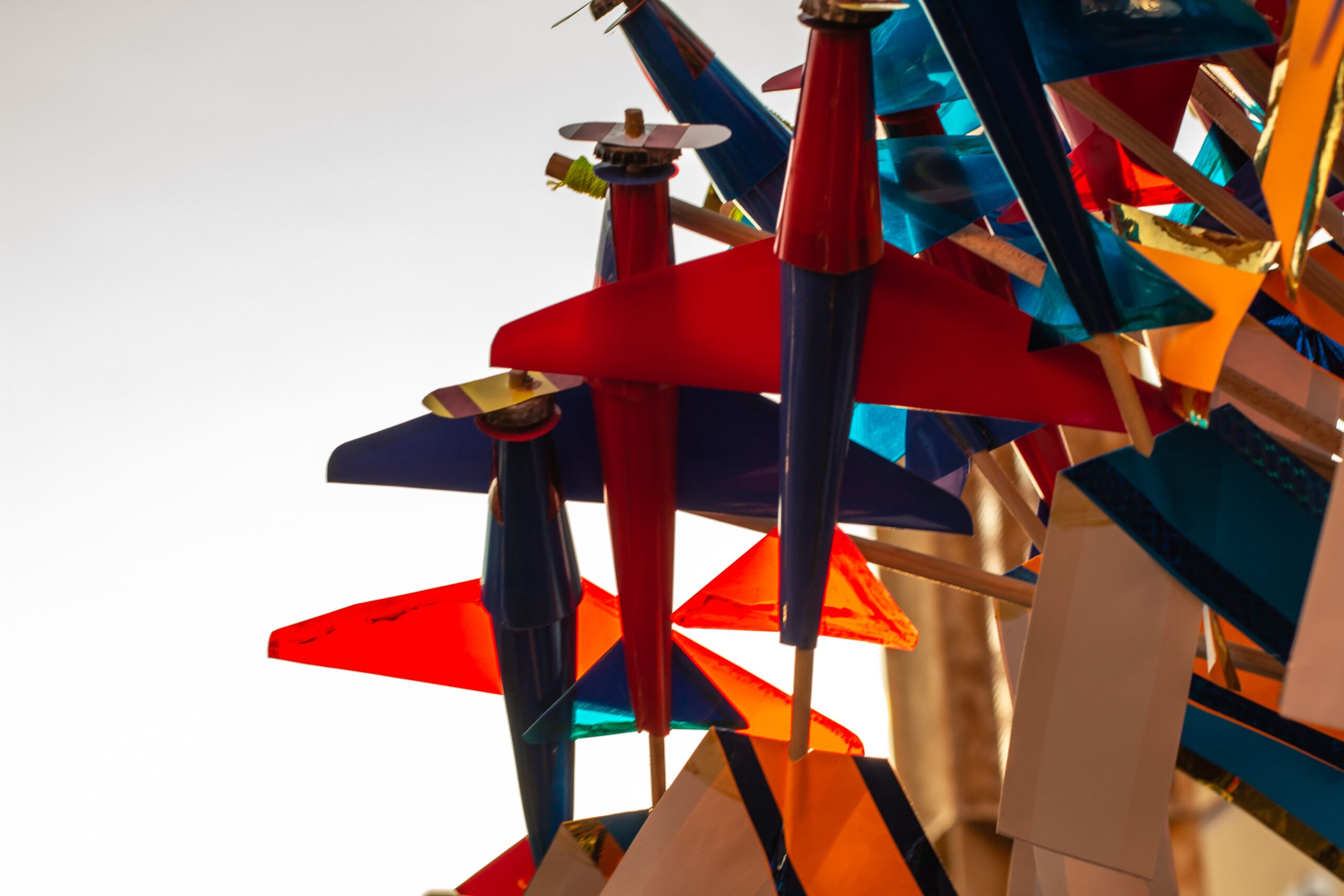
Rotating Public Art
A quarterly public art programme commissioning Saudi and regional artists to install large-scale works in three designated Wadi zones. Each installation is accompanied by an artist talk and community opening event.
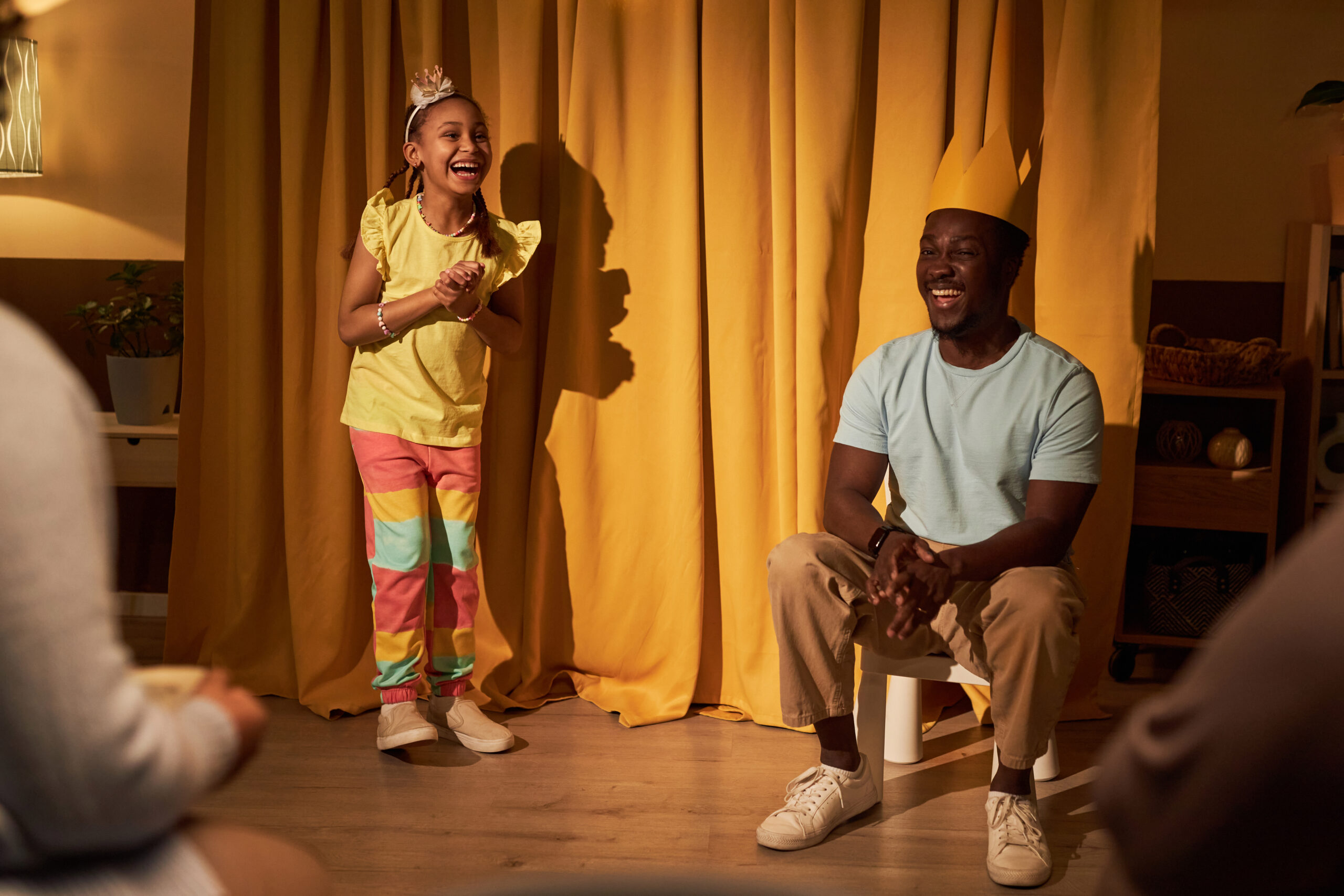
Wadi Storytelling Nights
A monthly evening programme of oral storytelling, poetry recitation, and spoken narrative in Arabic held at the Wadi's natural amphitheatre like central space. Roots the district in living Saudi cultural tradition.
Resident Open Days
Quarterly programming days co-designed with KAFD residents they propose, vote on, and help run the day's activities. Builds co-ownership of the Wadi and transforms residents from occupants into community stewards.

District Sports League
A weekly 5-a-side football and padel league for KAFD workers and residents using the Wadi's open zones as informal courts. Low cost, high engagement creates recurring weekly visits and social bonds within the district.
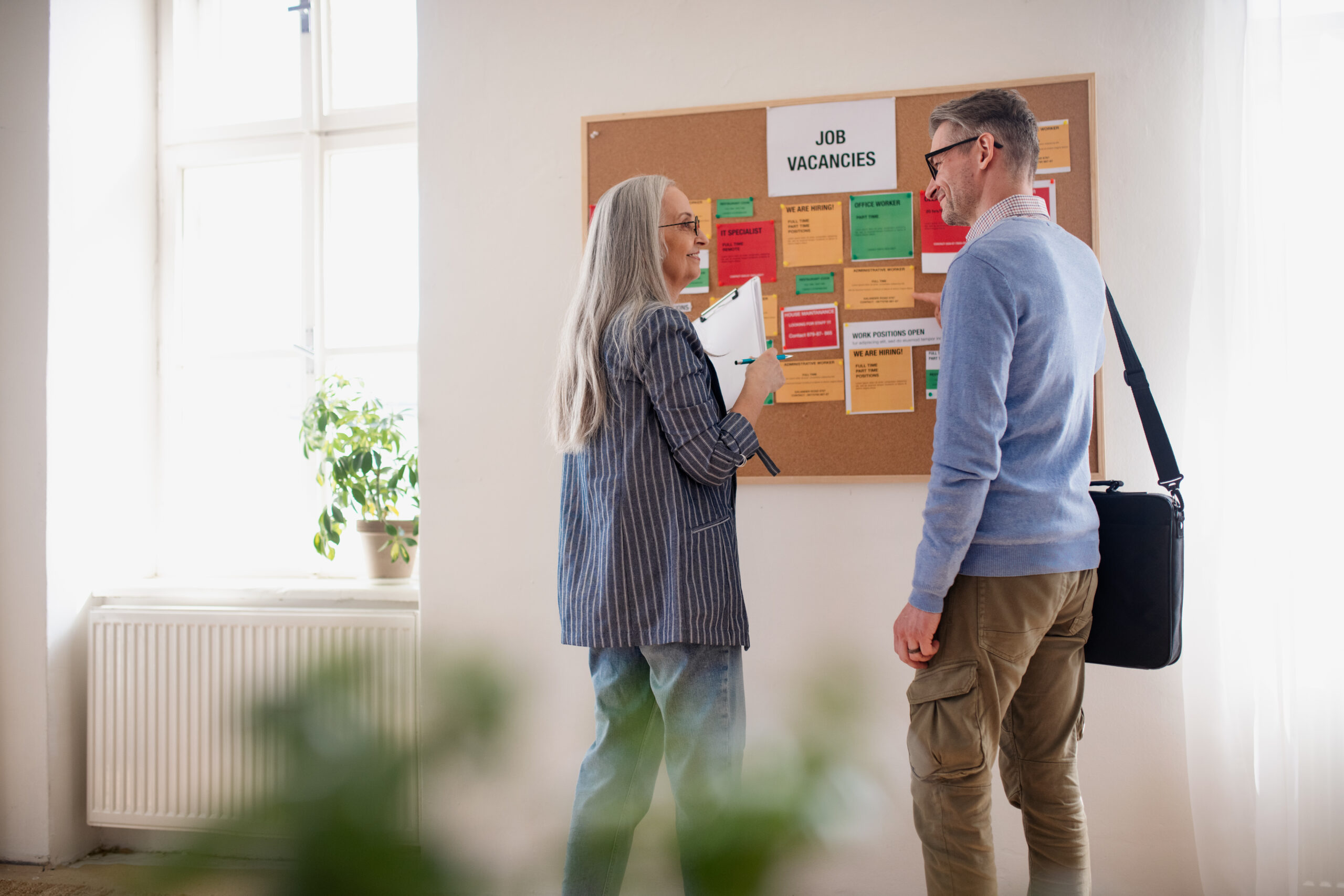
Community Notice Board
A physical and digital community board at each Wadi entry point allowing workers, residents, and businesses to post events, offers, and initiatives. Simple infrastructure that makes the district feel like a neighbourhood.
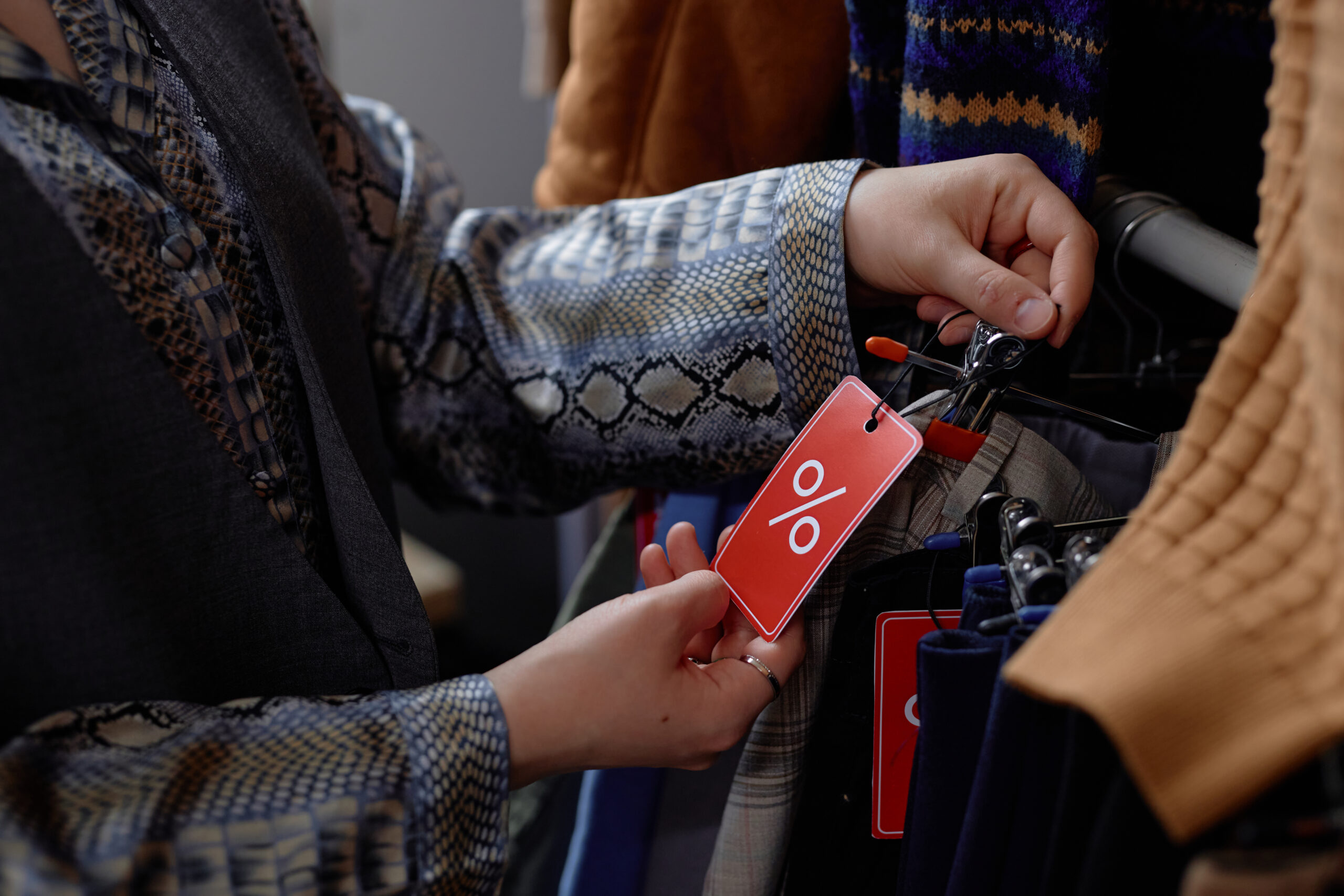
Pop-Up Retail Programme
A rotating 30-day pop-up retail licence programme for Saudi SMEs and startups using 6 dedicated Wadi kiosks. Keeps the commercial offer fresh, supports entrepreneurship, and gives visitors a reason to return each month.

Al Wadi F&B Trail
A curated food and beverage trail linking all Wadi dining venues with a unified passport programme diners collect stamps and unlock rewards. Increases cross venue footfall and creates a gamified exploration of the corridor.
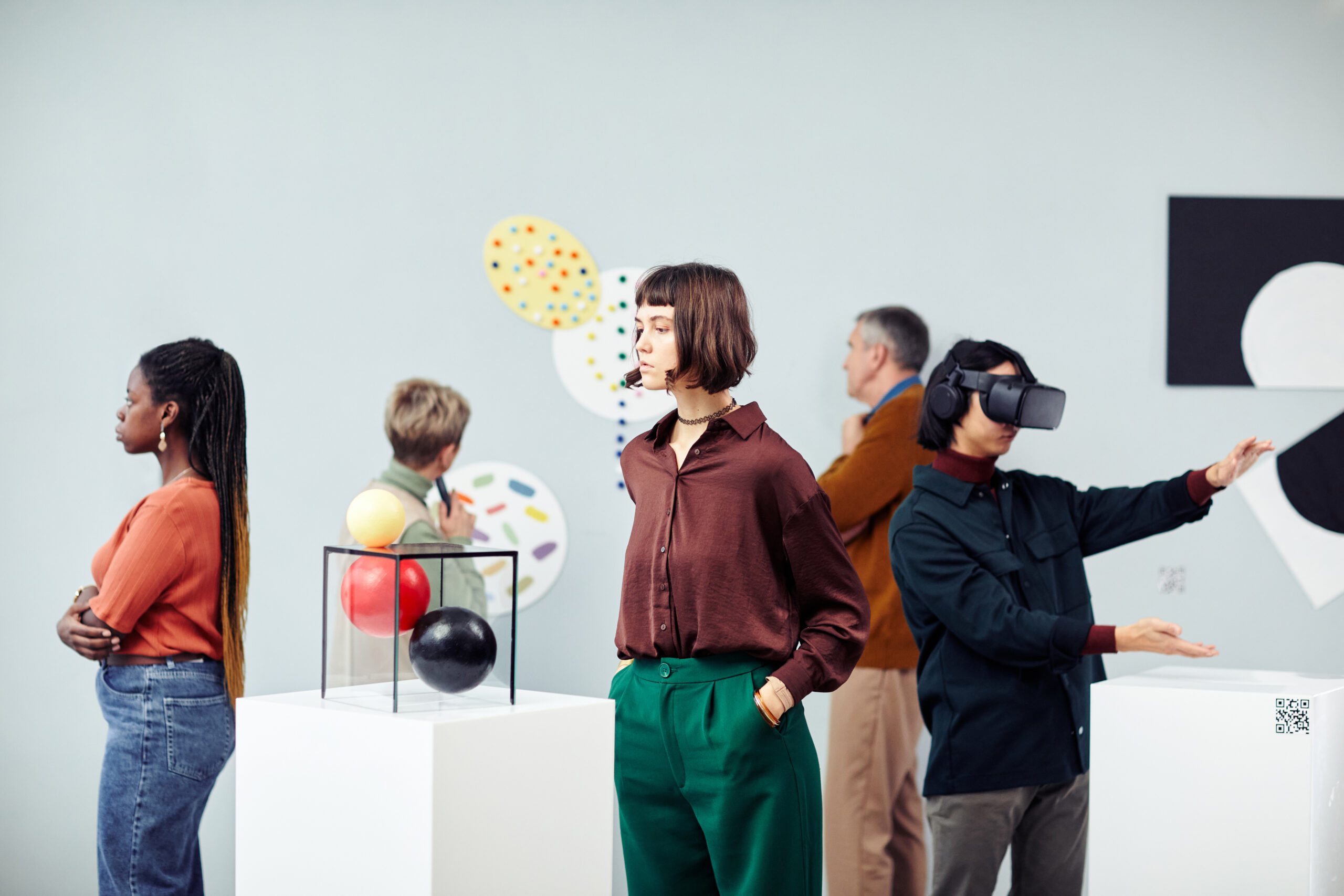
Brand Experience Zone
A dedicated 500sqm experiential zone available for brand activations, product launches, and corporate events. Positioned at the Wadi's most visible central node generates commercial revenue while driving visitor traffic.
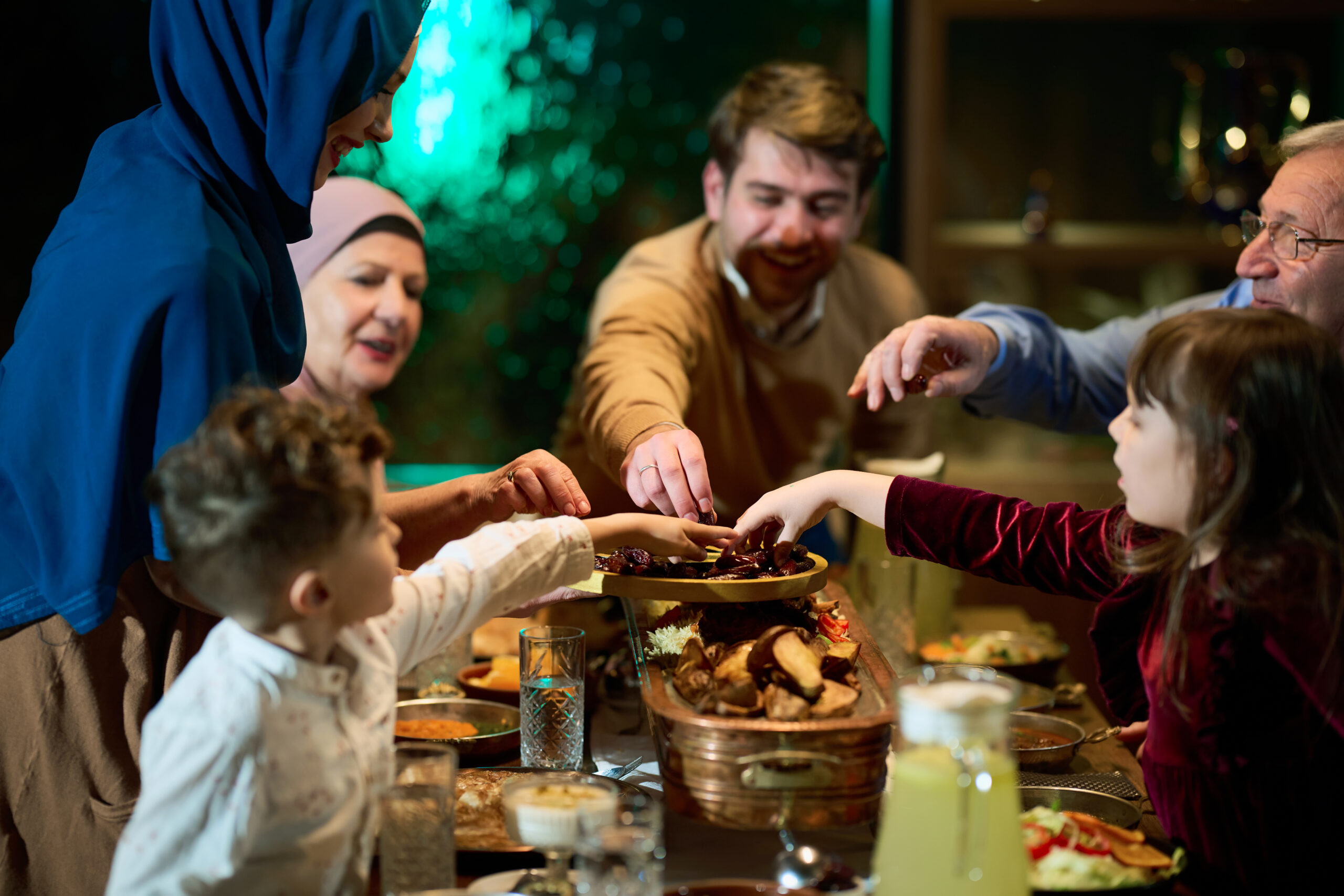
Ramadan Wadi Nights
A dedicated Ramadan programme transforming Al Wadi after iftar lantern lighting, traditional music, communal seating, and extended F&B hours until midnight. Positions the Wadi as Riyadh's premier Ramadan gathering space.
National Day Festival
A 10-day Saudi National Day festival using the full length of the Wadi light installations, heritage pavilions, live performances, and a flagship drone show above the corridor. Establishes the Wadi as a national celebration venue.
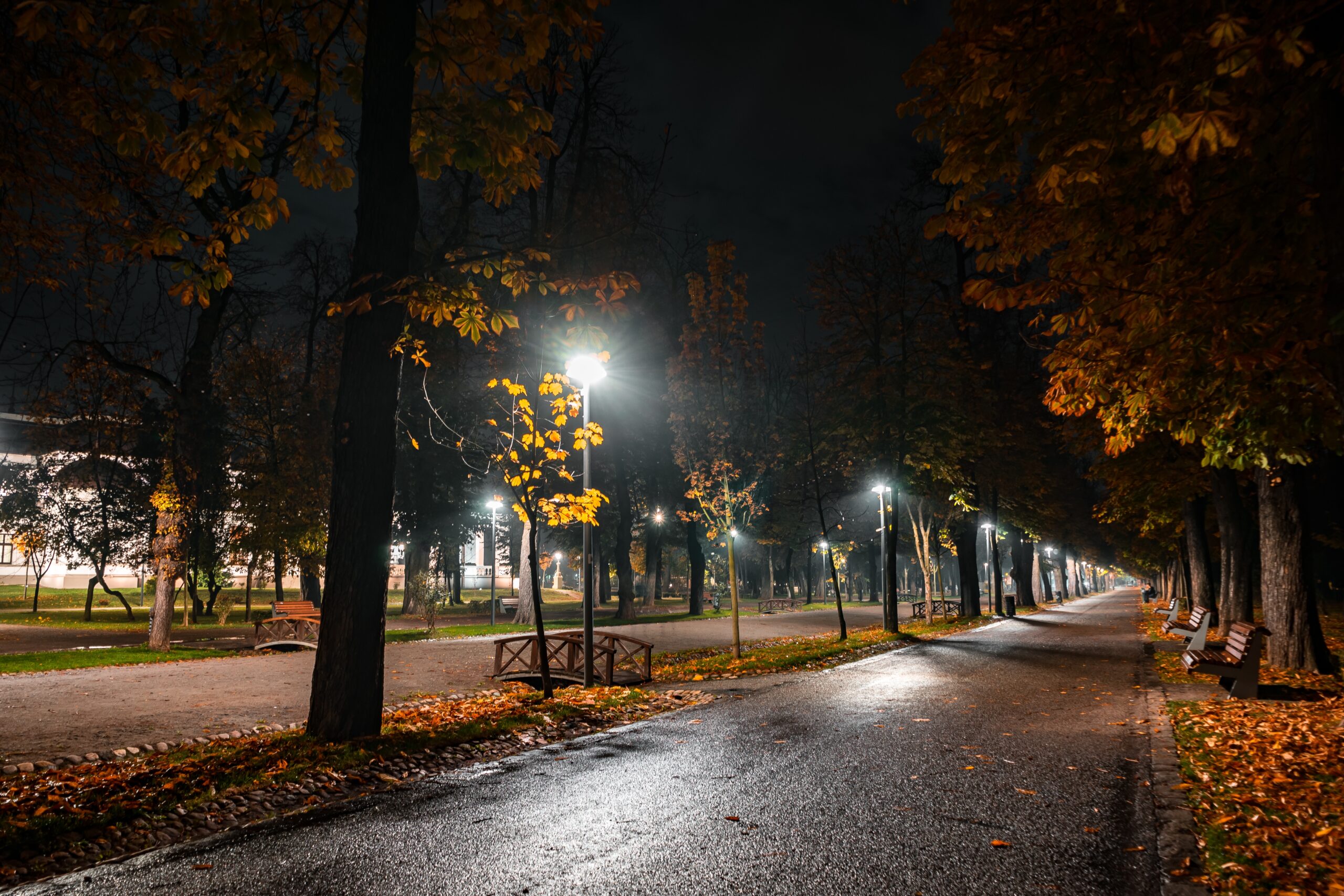
Winter Garden Season
A November–February outdoor season capitalising on Riyadh's cooler months expanded outdoor seating, pop-up gardens, weekend farmers markets, and outdoor cinema. Addresses the seasonal drop-off during transition months.
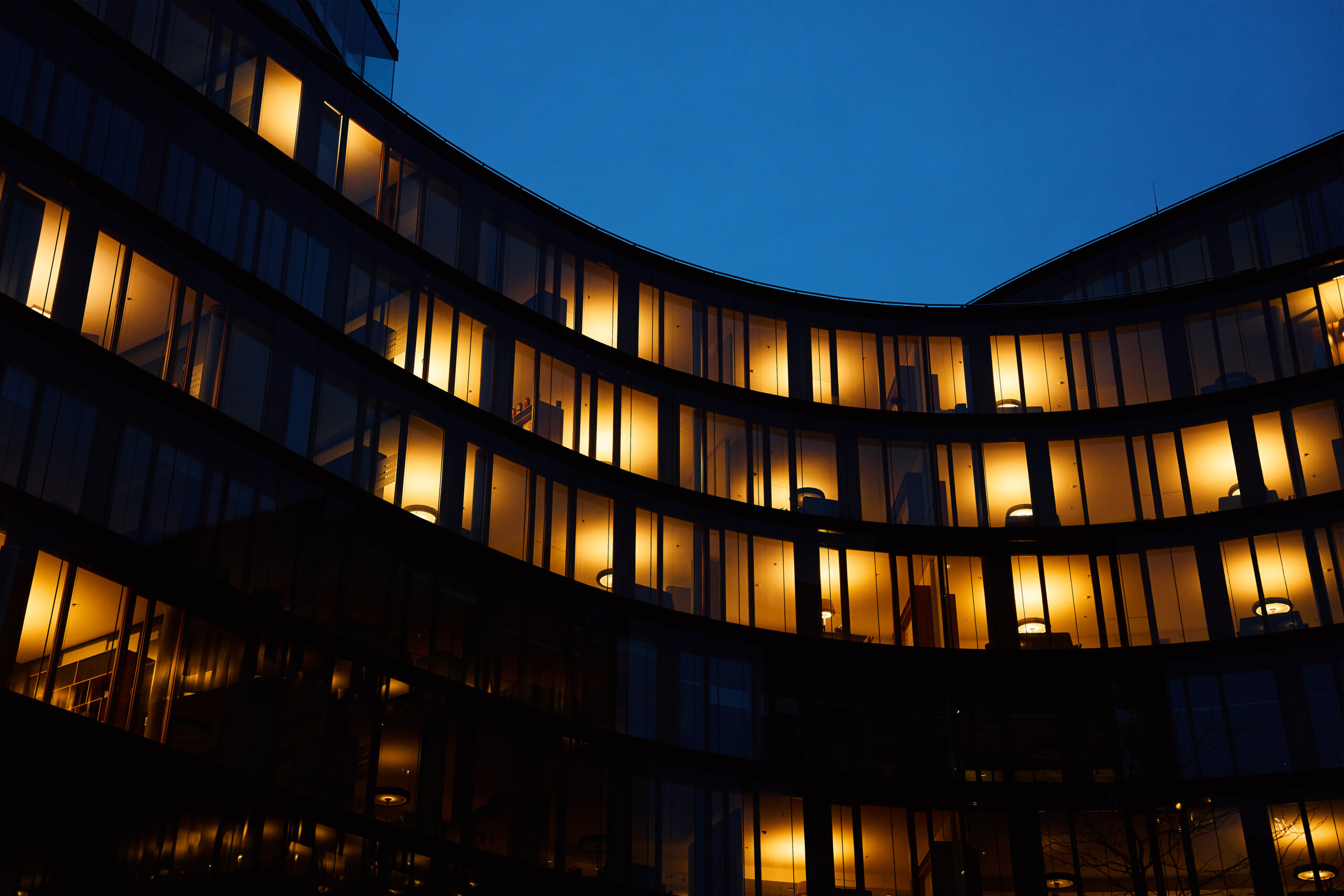
Wadi After Dark
A permanent night lighting strategy transforming the Wadi's atmosphere after 8pm architectural uplighting, pathway illumination, and dynamic light art at three nodes. Makes the space feel intentionally designed for night, not just tolerated after dark.
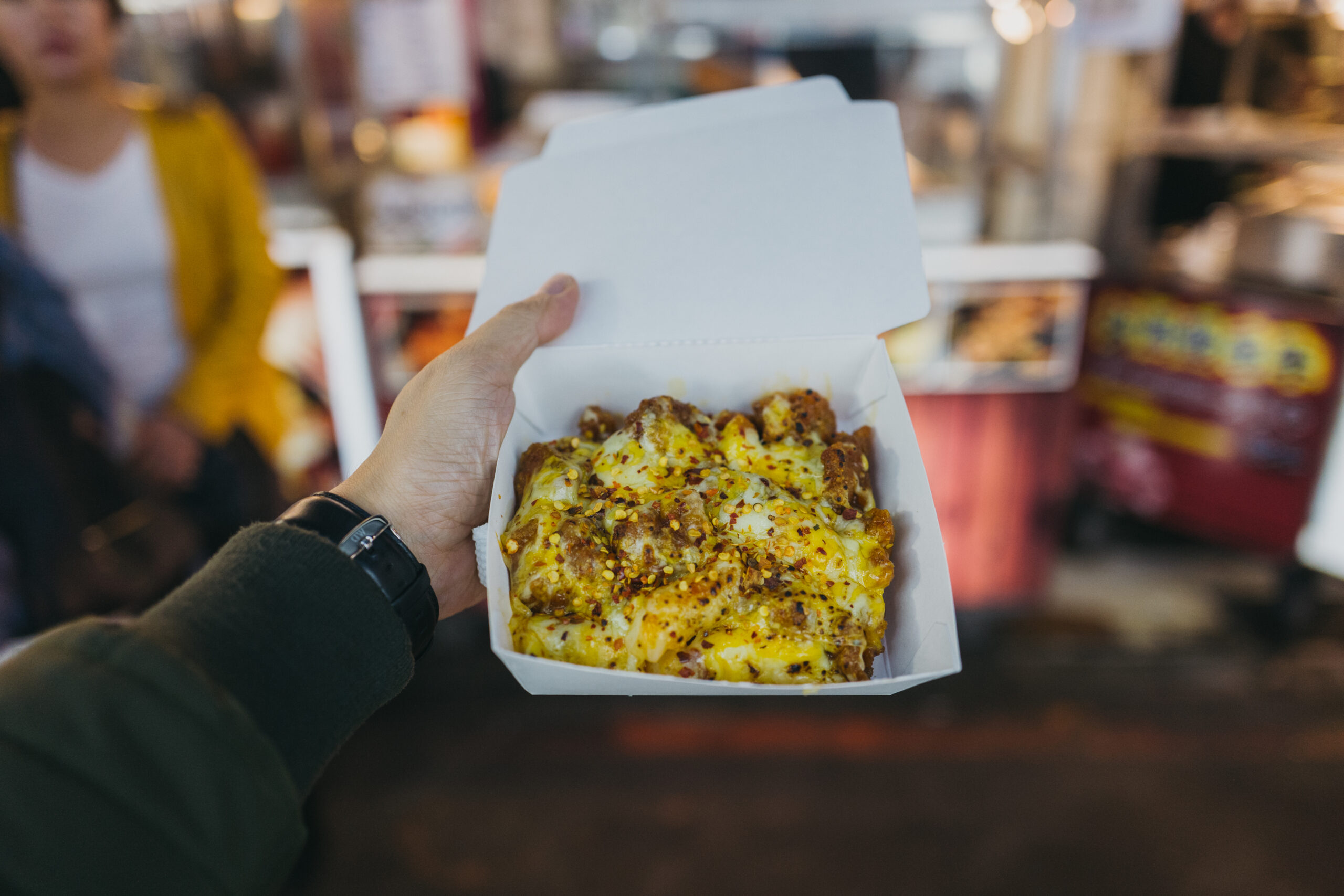
Late Night F&B
A dedicated zone of 6–8 F&B concepts licensed to operate until 2am coffee, desserts, light bites, and shisha-friendly outdoor seating. Fills the current post-10pm void and captures the significant Saudi late-night dining culture.

Outdoor Cinema Series
A weekly open-air cinema screening at the Wadi's central open space Saudi films, classic Arab cinema, and international features with Arabic subtitles. Zero infrastructure cost after initial setup, high social media visibility, strong return visit habit.
How the space is managed
and what gets measured.
Steps 5 and 6 address the long-term question: what structures ensure Al Wadi remains relevant, evolving, and aligned with its community over time? Great placemaking without governance becomes stagnant. Without measurement, it becomes invisible.
KAFD's operational model is strong on physical maintenance but light on place governance the systems that protect identity, enable community co-ownership, and ensure programming stays relevant. Measurement frameworks tend to focus on occupancy and footfall. The harder metrics belonging, identity resonance, community sentiment remain unmeasured and therefore unmanaged.
From impressive space
to felt destination.
The final act maps where Al Wadi currently sits among comparable world-class urban public spaces and where it could move if the full placemaking framework is applied. The gap is not about more construction. It is about intent, narrative, and sustained engagement.
Data & Sources
Every figure, observation, and spatial assessment in this analysis is traceable to publicly available sources.
The six-step placemaking framework applied in this analysis — Context & Vision Alignment, Identity & Narrative Integration, Experience & Journey Structuring, Activation & Programming Strategy, Governance & Oversight, and Measurement & Sustainability Planning — is developed and owned by Public Pixel. Gap scores and positioning assessments represent informed analytical judgment based on publicly available evidence, not externally validated metrics.
This is an independent analysis published by Public Pixel for research and capability demonstration. Public Pixel has no commercial relationship with KAFD, the King Abdullah Financial District Development Authority, the Public Investment Fund, or any affiliated entities. All spatial data and observations are sourced from publicly available disclosures, academic research, and published project documentation.